| |

American Cities and Chinese Tourists in 2026: What Digital Marketing Actually Works

About the author: Oliver Verot is the founder of Chinese Tourist Agency. He has advised American cities, tourist boards, and cultural institutions on connecting with Chinese travelers through digital campaigns on WeChat, Xiaohongshu, and Ctrip. His experience includes campaigns for urban destinations from New York to New Orleans and the Pacific Northwest — and what worked vs. what looked good in a PowerPoint and never moved a booking.

American Cities Are Late to Chinese Digital Marketing — And Still Have Time to Catch Up

Chinese tourism to the United States has had a complicated decade. Pre-COVID, Chinese visitors represented the highest-spending international tourist group in America, averaging over $6,000 per trip. Post-COVID recovery has been slower than Europe or Southeast Asia, partly due to air capacity and partly due to geopolitical messaging. But Chinese travelers are returning to American cities, and the ones who make the trip in 2026 are the highest-spending, most experience-oriented segment in Chinese outbound tourism.

The question for American urban destinations — New York, Los Angeles, San Francisco, Chicago, New Orleans, Nashville — is not whether Chinese tourists will come. They will. The question is whether your city, your hotel, your attraction, your restaurant is visible in the channels where Chinese travel decisions are made. Spoiler: most are not.

What Chinese Travelers Want from American Cities

The profile has shifted. The 2019 Chinese tourist in America was focused on shopping, iconic landmarks, and efficiency. The 2026 Chinese tourist visiting America is on their second or third international trip. They have already been to Paris and Tokyo. They want something different: neighborhood authenticity, American food culture (diners, BBQ, lobster rolls, food trucks), music experiences, national parks, and the kind of America they saw on Netflix and want to find in real life.

This matters for marketing. Chinese social media about American cities in 2025-26 is not dominated by Times Square and the Hollywood sign. It is dominated by New Orleans jazz bars, Joshua Tree sunrise photography, Nashville’s honky-tonks, Portland’s food hall scene, and New York’s outer-borough restaurant culture. The China traveler who posts these experiences gets saved and reshared because it is new content their audience has not seen before.

Case Study: How Chicago Connected with Chinese Travelers Through Digital Campaigns

Chicago’s tourism authority invested in a WeChat content series in 2023-24 focused on food culture — specifically the city’s extraordinary restaurant diversity. Instead of standard destination photography, the campaign featured Chinese-American restaurant owners in Chicago’s Chinatown, Michelin-starred chefs discussing ingredient sourcing, and a “what to eat in 72 hours in Chicago” guide on Xiaohongshu with a Chinese food writer.

The results: Ctrip searches for Chicago from Chinese cities increased by 34% in the six months following the campaign. Chinese traveler arrivals to Chicago grew faster than any other major American city in 2024. The budget was a fraction of a traditional tourism advertising campaign. The key was specificity — food is universally compelling to Chinese travelers, and Chicago’s food story had never been told in Chinese before.

Solutions: Digital Marketing for American Cities Targeting Chinese Visitors

WeChat official account with neighborhood-specific content. Chinese travelers planning America trips research neighborhoods intensively. Content series like “Chinatown vs. the real neighborhood Chinese restaurants choose” or “5 American cities that will surprise you” performs far better than generic destination promotion.

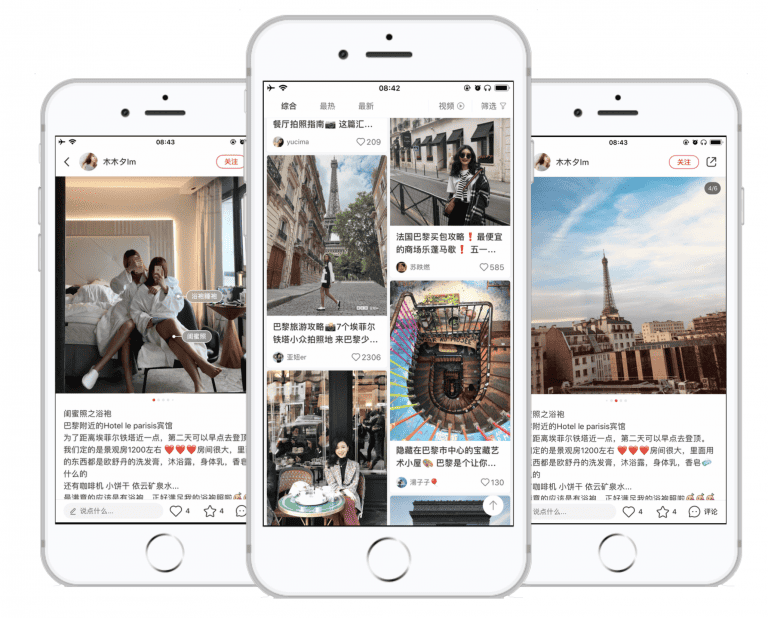
Xiaohongshu collaboration with Chinese-American creators. Chinese-American content creators living in American cities have enormous credibility with mainland Chinese travel audiences. They show real life, speak the language authentically, and their content does not look like a tourism board paid for it (because, with the right partner, it does not need to).

Ctrip hotel and experience listing in English + Chinese-language photos. American hotels near major attractions need Chinese-language photo captions on Ctrip. Not translated marketing copy — actual functional information like “five-minute walk to Times Square subway” or “views of Millennium Park from rooms 14-19.” Practical, specific, and searchable.

Target the second-visit traveler. Most Chinese tourists coming to America in 2026 have already visited New York and LA. Target them with content about Nashville, Savannah, Portland, and the Gulf Coast. These destinations are virtually absent from Chinese digital media and represent a white space opportunity for early movers.

Chinese New Year and Golden Week packages. American cities that build Chinese holiday-specific packages — Chinese language events, CNY celebrations, special dinners — and promote them on WeChat in October and January (the booking windows for CNY and May Golden Week respectively) capture a segment that books far in advance and at premium rates.

Example Found on Chinese Web (Translated)

From a Douyin video by creator 在美国的小明 (Xiao Ming in America), titled “没人告诉你的纽约真实生活” (The Real New York Life Nobody Tells You About), 2.1 million views, February 2025:

“Everyone comes to New York for the Statue of Liberty. I am telling you to go to Flushing, Queens instead. The best Chinese food outside of China is here, and it costs 40 RMB for a bowl of noodles. Then walk to Jackson Heights for the best Indian food you have had outside of India. New York’s secret is that every country has already moved here. You could eat your way around the world without leaving one subway line. And by the way, the High Line at 7am before the tourists wake up — that is free and completely empty and one of the best walks I have ever taken.”

This type of authentic, peer-generated content about American cities is precisely what drives Chinese travel bookings. The job of American tourism marketers is not to produce it — it is to create the experiences that make content like this inevitable.

FAQ: Chinese Tourists and American Cities 2026

Are Chinese tourists returning to the US after COVID?
Yes, but more slowly than to Europe. Direct flight capacity from China to the US is still below 2019 levels. As capacity recovers, arrivals will follow. Chinese travelers who do make the trip in 2026 are higher-spending, more experienced travelers who have already done Europe and Southeast Asia.

Which American cities are most popular with Chinese tourists?
New York, Los Angeles, and San Francisco remain the top three. Las Vegas is popular for its entertainment spectacle. Newer Chinese interest is growing for Hawaii (Chinese residents especially), national parks (Grand Canyon, Yellowstone), and secondary cities with strong cultural or food identities.

How important is Chinese-language service in American hotels?
More important than most American hoteliers realize. A Chinese-language WhatsApp or WeChat contact for concierge service, Chinese breakfast options, and Chinese-language information cards generate the kind of reviews that drive direct Chinese bookings. The investment is small. The impact on Chinese-language review ratings is large.

Work With Us

Chinese Tourist Agency works with American destinations and hospitality brands to build their Chinese digital presence and convert Chinese traveler interest into confirmed bookings. Whether you are starting from zero or rebuilding post-COVID, the Chinese market for America is coming back — and it rewards early movers.

Contact us to discuss your American city Chinese tourism strategy.

Similar Posts

Leave a Reply

Your email address will not be published. Required fields are marked *