
The Top 7 Chinese tourist features
In 2023, What Chinese travelers really want ? Good question here is the list of what they really care and want.
Understand and identify Chinese tourists particularities.
1- Chinese people like travelling in a group
 They favor travels surrounded by members of their family or travelling companions.
Indeed, family relations have a really important place in Chinese culture, especially when it comes to relatives as such as parents. Hence, it is logical that their main interest is to travel with their family.
On the other hand, it is difficult for them to travel alone in countries where languages and cultures differ to what they know.
They use blogs and forums to exchange, and meet potential travelling companions.
2-Chinese like getting organized
They like getting organized before going on a journey, and having all the necessary information before exchanging on forums. They usually inquire advices about different activities, excursions or even amusement parks in countries where they expect to go to. They base themselves on recommendations and notices of their congeners.
The Chinese tourist take with them all the necessary equipements , according to the destinations and activities that interest (qui les interessent)
3-Chinese like leisure time full of activities.

During their trips, outdoor activities prevails. Chinese sightseers generally look for information related to activities such as biking, riding or climbing, to plan them.
They also share an interest for winter sports. More and more Chinese are interested in skiing. As a consequence, it led to the development of new ski resorts (sometimes artificial) all over China.
Chinese spend more money for leisure in special activity. It is an opportunity for international brands that works in this industry .
4-Chinese like sharing their adventures

Chinese are very active on social networks. They are very enthusiastic at the idea of sharing their photos and videos of their foreign journeys on social medias.
They also regularly post articles on forums to share their experiences and notices.
5- Chinese are interested in various transport
The car, which is a success symbol in China, is the first transport chosen to travel. It shows that they are belonging to a higher social class. Many of those who travel – or intend to – do it by car.
Thus they look for advice to simplify organization: what destination? Which roads should they use or avoid ?
Less popular, but more and more appreciated, cruises remain another way of discovering the world for Chinese tourists. As previously said , they also like to seek information on this unusual mode of travel, by inquiring notices to other Chinese citizens.

In 2019, about 200 million Chinese travelled all around the world, making it the country with the most travelers. According to the national administration of tourism of China, this number should continue to grow on average of 10 % a year until 2020.
Henceforward , one of the main objectives of the french government is to attract those Chinese tourists in their country. Indeed, in 2013, on 109 million Chinese tourists, 1.7 million decided to travel in France. Attracting more of them would therefore just benefit to the french economy, chinese tourists being known for their big consumption during trips.
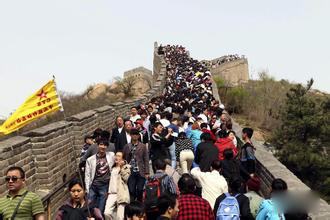
We can also perceive a development of the tourism in the country. More and more Chinese discover their cultures by travelling within the country.
6- Chinese People are worried about security
Chinese People when they travel really care about safety. They are worried about thief or any troubles they can have in a country and will choose carefuly location and hotels.
7- They want Luxury ‘star-rated’ hotels
Chinese Consumers appear more willing to spend on luxury hotel accommodation for their trips vs. pre-Covid, with 20% citing it as their top travel expense compared to 17% each in 2017 and 2020 source CNBC

To review, China could become before 2017, the first broadcasting market of tourism, ahead of the United States of America. The fact that they share information and photos of their journeys on Chinese social medias in cites other citizens to discover new cultures and territories, inside or outside the country.
China’s hotel groups are exploring the hotel acquisition and are looking to best options to buy Hotels.
You can read more
- You can click here and here
- Education in China: 6 strategies to generate leads
- How to attract more Chinese tourists
If you need to attract Chinese tourists, direct or via travel agencies
We can help you.
- We can contact travel agencies
- make your agency look “professional”
- Website, social media
- work on your visibility on the Chinese Online landscape





Hello guys, my name is Ianis!
I`m a professional writer and I`m going to change your lifes onсe and for all
Writing has been my passion for a long time and now I can`t imagine my life without it.
Most of my books were sold throughout Canada, USA, Old England and even Russia. Also I`m working with services that help people to save their nerves.
People ask me “Mr, Ianis Bowers, I need your professional help” and I always accept the request, `cause I know, that only I can save their time!
Academic Writer – Ianis Bowers – 7stepdesign.com Team